

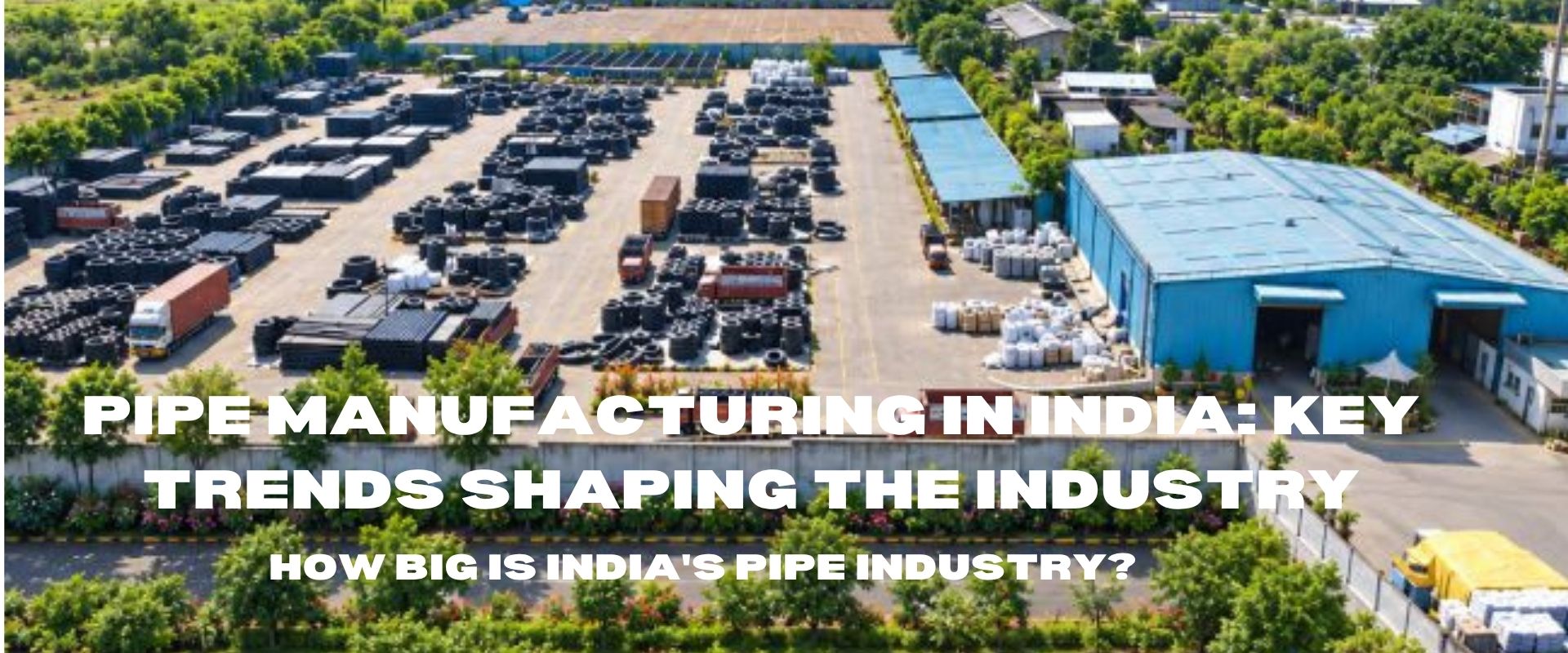
India’s pipe industry is busier than ever. Every year, demand keeps climbing, driven by government water projects, real estate development, and a clear move from metal to plastic pipes.
Why does this matter? Whether you’re sourcing materials, planning stock, or picking out irrigation for your farm, you need to know what’s really happening in the market. Here’s what’s fueling the growth, which materials are pulling ahead, and what to keep an eye on in the year ahead.
How Big Is India’s Pipe Industry?
The numbers say the All in all , growth is strong. India’s pipe market is on track to hit about $46 billion by 2035. Plastic pipes are already leading the pack in both market share and growth.
Zoom in a little, and India’s PVC pipe market was at 3.1 million tonnes in 2025. And it’s still growing fast about 6.6% a year through 2034. It’s not all in one corner, either. Growth spreads across agriculture, water supply, sewerage, and construction.
What’s Pushing Pipe Demand Higher?
Government Water Projects
Big water missions like the Jal Jeevan Mission and PMKSY are creating huge, steady demand. India is building pipelines for rural drinking water and agriculture like never before. These projects need pipes by the mile, and they’re not slowing down. Our guide to irrigation methods in India covers how these schemes are reshaping water access at the farm level.
Urban Upgrades
Cities are switching out old metal for plastic pipes in water and sewer systems. That keeps manufacturers working at full speed not just for rural needs, but all throughout growing urban areas.
Real Estate and Urbanization
As new townships, apartment buildings, and businesses go up, you need plumbing, drainage, cable conduits — the list goes on. Every construction project adds to the pipe boom.
Which Pipe Materials Are on Top?
Materials aren’t all rising equally. Here’s the lay of the land:
| Material | Position | Why It’s Growing |
| UPVC | Still top of the heap | UPVC takes up around 62% of the volume, thanks to agriculture and structural uses |
| HDPE | The go-to for long rural runs | Flexible and reliable, ideal for water networks and tough agricultural jobs |
| CPVC | Growing the fastest | Almost double the pace of basic PVC, especially in plumbing for high-rises and new buildings |
Kothari makes all three types — UPVC, HDPE, and CPVC — so there are plenty of options depending on what you need. Browse the full range on our plumbing pipes and fittings and agriculture pipes and fittings pages.
CPVC’s Rapid Climb
Pay attention here: CPVC is winning, especially in plumbing. Urban growth, tighter standards, and more high-rise construction are giving CPVC an edge over standard PVC. If you’re a dealer or contractor, you’ll want to keep a close eye on its supply over the next few years.
Raw Material Costs Haven’t Gotten Easier
Rising markets don’t mean smooth sailing. Resin prices keep swinging up and down, so pipe prices shift through the year. Plus, competition from other materials and stricter standards make life challenging for manufacturers. Building a strong relationship with a manufacturer who can keep costs steady is one way to protect yourself.
Sustainability Is Getting Real
Sustainability isn’t just a buzzword now. Companies are using more recycled plastic, especially in HDPE and drainage pipes. In late 2024, one manufacturer even launched India’s first certified “green” pipe. Buyers ask about it more, and it signals a company actually investing in better quality instead of just talking.
Where’s the Demand?
North India leads with almost 29% of demand — mainly due to big farming and loads of new construction. But growth in South, West, and East India is picking up too, with more urban infrastructure and tier-2 city expansion. Kothari pipes are in over twenty-three states, so they cover just about everywhere.
What Should Buyers and Dealers Watch in 2026?
Here’s a quick checklist:
- Always check for ISI/BIS certification, especially for government and big projects.
- Our HDPE demand blog breaks down what certifications like IS 4984 actually cover.
- Track CPVC supply — demand’s strong and shortfalls can happen.
- Ask about sustainable practices — recycled content or green certifications now make a difference.
- Stay on top of resin price trends — they can affect when you should buy.
- Pick manufacturers with solid distribution — absolutely key for rural and government-linked work.
Kothari Group’s Place in the Market
With decades of experience and a network that stretches across India, Kothari Group offers PVC, HDPE, and irrigation pipes for everything from farms to buildings. Having all those materials under one roof makes life simpler for procurement teams and dealers.
Dealers and buyers can browse the UPVC Pressure Pipes & Fittings directly, or check out more guides on our blog for real detail before making decisions.
In Short
India’s pipe manufacturing industry is booming, thanks to government water efforts, non-stop urban growth, and a clear trend toward CPVC and HDPE. Challenges like cost swings and tougher standards remain, but manufacturers investing in capacity and greener materials are in a good spot for the future.
Looking for a solid manufacturer for your next project? Reach out to Kothari Group for a quote or to talk about the best materials for your needs.
FAQ‘s
What’s driving pipe demand in India right now?
Government water schemes, urban infrastructure, and real estate construction are the main engines behind the pipe market’s growth.
Which pipe material is growing fastest?
CPVC is leading now, especially with the rise in plumbing for new housing and less use of metal pipes.
Why choose HDPE for rural water?
HDPE’s flexibility and corrosion resistance make it perfect for long underground runs ideal for farms and rural water projects.
Are raw material prices still a problem?
Yes. Resin price swings keep everyone on their toes. Teaming up with manufacturers who have stable sourcing helps.
Which region needs the most pipes?
North India is in front, with strong demand from agriculture and building, but South, West, and East India are quickly catching up as well.
Is “green” manufacturing just talk, or real?
It’s becoming real. More companies use recycled content, and “green” pipes are starting to hit the market.
What should I check before choosing a pipe supplier?
Demand ISI/BIS certification, check distribution reach, ask about sourcing, and look for actual sustainability steps — not just promises.