

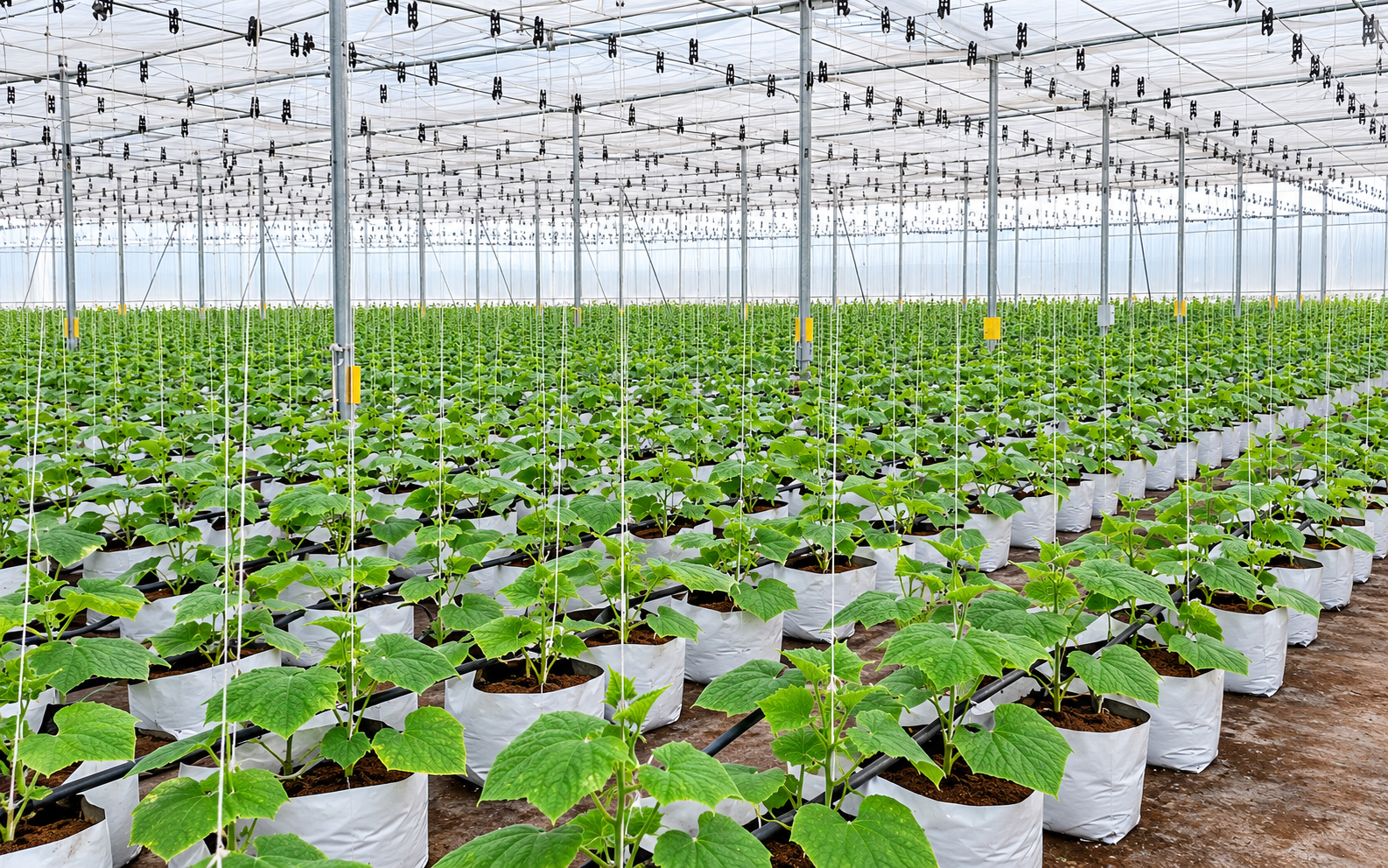
Nursery Irrigation Systems
Plan nursery irrigation around plant requirements, growing conditions and water distribution needs with suitable fogging and micro-sprinkler equipment.
Nursery Irrigation System Overview
Nurseries have to manage water carefully because plants in different stages of growth don't need the same amount of moisture. If you water unevenly, some plants struggle to grow while others might end up in soggy soil. Too much water just ends up pooling around the roots and growing media, which does more harm than good.
A good nursery irrigation system sends water where it's actually needed. It uses a mix of pipelines, distribution lines, and application tools to get water from the main source to every corner of the nursery. The piping carries the water out to all the specific sections, and then the field-level equipment takes over, making sure the right spots get watered.
You can't just use a standard system. Everything about how the nursery is laid out, what kind of plants you are growing, the media you use, how much water you have on hand, and your operating conditions all dictate what the irrigation setup has to look like. Nurseries are different from open fields. The plants are packed closer together, whether in beds, containers, or propagation areas, so you have to control both where and how much water you apply.
In the end, nursery operators need an irrigation system that works with the water source they have got and can reliably send water exactly where it's needed. That's what keeps the plants happy and growing strong.
Where Nursery Irrigation Systems Are Used
Nursery irrigation systems are used wherever plants need controlled water application during propagation, early growth or commercial nursery production. The irrigation arrangement can vary depending on plant type, nursery layout and the stage of cultivation.
Plant Nurseries
Used for routine irrigation of plants maintained in containers, beds or defined growing areas.
Seedling Nurseries
Suitable where young plants require carefully managed water application during early growth.
Horticultural Nurseries
Used for raising and maintaining ornamental, fruit and other horticultural plants.
Propagation Areas
Water distribution can be planned around areas where plants are being established or multiplied.
Commercial Nursery Facilities
Larger facilities can divide growing areas into sections and route water through a planned distribution network.
Key Requirements for Nursery Irrigation
A nursery irrigation system should be planned around both the water source and the way plants are arranged within the nursery. The first consideration is the available water source and whether it can provide the required flow for the intended irrigation sections.
Recommended Kothari Products
For nursery applications, the field-level irrigation equipment needs to match the way plants are arranged and the type of water application required. Kothari's K-Fogger and Micro Sprayer can be considered for different nursery irrigation requirements.
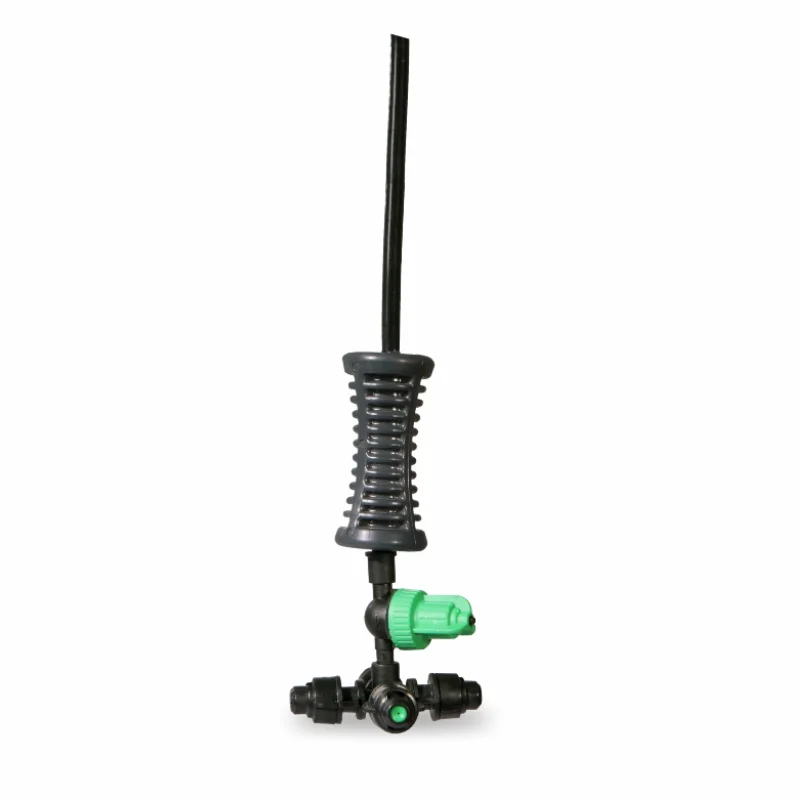
K-Fogger
The K-Fogger is relevant where a fogging-type water application is required within the nursery. It can be positioned as part of the field-level distribution arrangement after water has been carried through the main and distribution network.
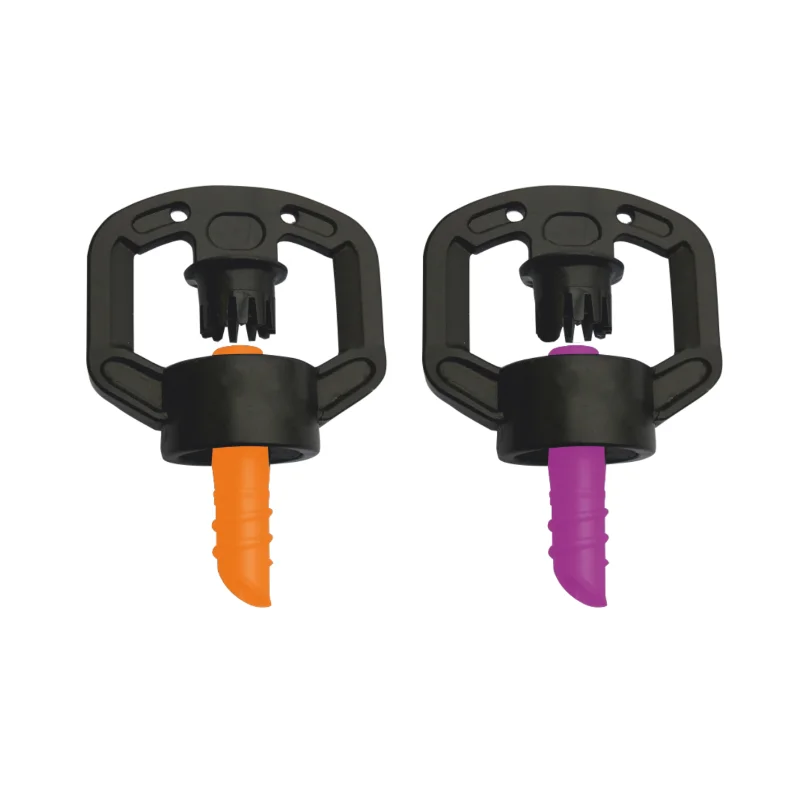
Micro Sprayer
The Micro Sprayer provides a field-level method of applying water within a nursery irrigation arrangement. It can be connected to the distribution network and positioned according to the plant layout and area requiring irrigation.
| Application Requirement | Recommended Kothari Product | Role in the System |
|---|---|---|
| Fogging-type application | K-Fogger | Field-level water application |
| Spray-based application | Micro Sprayer | Field-level water distribution |
Planning a Nursery Irrigation System?
Share your nursery layout, water source and irrigation requirements with the Kothari team to discuss suitable water distribution and application options.
Discuss Your Requirement